

Home>Tourism>Tour Hunan>Chenzhou>Tourist Attractions
Banliang Ancient Village: Poetry and Nostalgia in Deep Alleys and Old Ancestral Halls
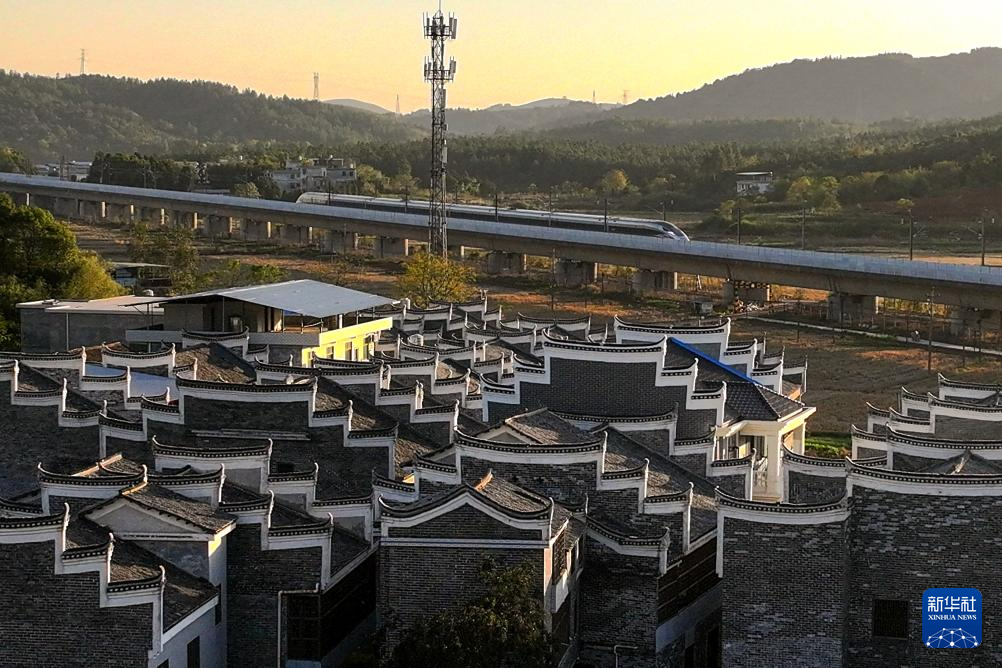
The aerial photo, taken on November 25, shows a high-speed train passing by Banliang Ancient Village in Yongxing County, Chenzhou City. (Photo/Zhao Zhongzhi, Xinhua)
Located in southern Hunan, the Chenzhou region has long served as a key route for transportation and cultural exchange between the north and south. It is home to numerous ancient villages, 94 of which have been inscribed on the list of traditional Chinese villages. These villages preserve relatively intact clusters of ancient architecture that blend the architectural styles of the Zhongyuan (Central Plains), Jiangsu and Zhejiang, and Hakka regions.
Rucheng County in Chenzhou City boasts many exquisite ancient ancestral halls. The Rucheng Ancient Ancestral Halls complex was among the seventh batch of national key cultural relics protection units in 2013. Not far from Rucheng County, Banliang Ancient Village in Yongxing County, with its well-preserved ancient buildings and uniquely carved beams and painted rafters, is known as "the No. 1 Village in Southern Hunan."
In 2017, Chenzhou City issued the "Measures on Ancient Dwellings Preservation in Chenzhou City," reviving the once-fading culture of its ancient villages. Traditional crafts such as incense dragon dance, wood carving, and painted creations with modeled design have been listed as intangible cultural heritage items, with inheritors passing down their skills from generation to generation. In recent years, local residents have also begun to use the area's architecture, culture, and natural scenery to open restaurants, homestays, and farmhouse inns, developing the tourism industry to increase their income.
As high-speed trains rush past the ancient village, the weathered grey-brick walls, exquisite wood and stone carvings, and smooth, glossy bluestone pavements — all emerging through the dust of history — are writing a new chapter of the integration of tradition and modernity.
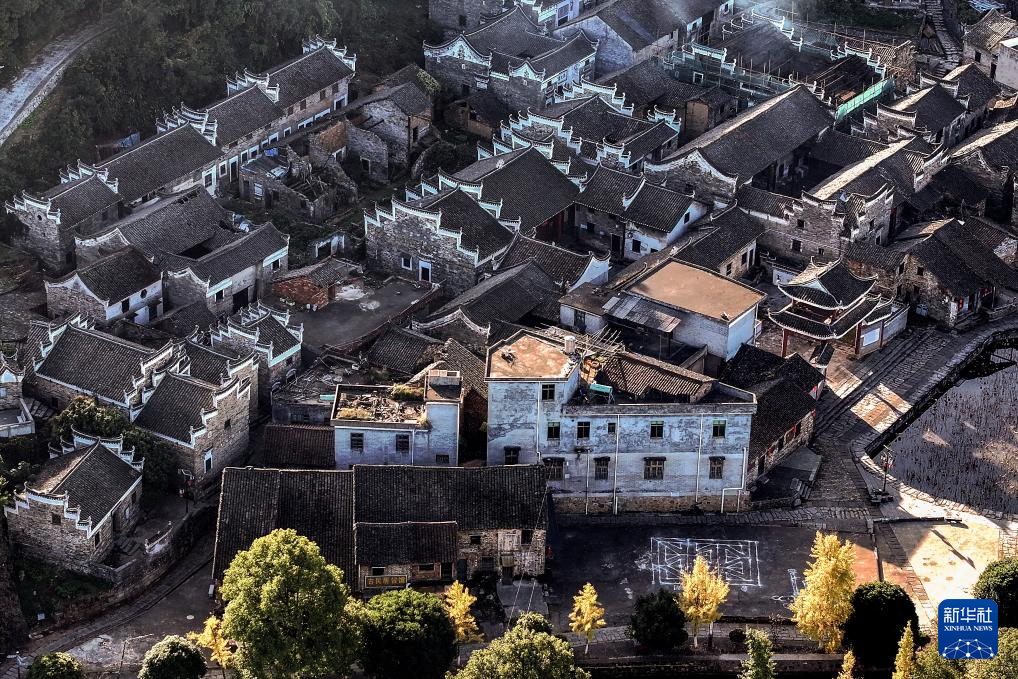
The aerial photo, taken on November 26, shows a partial view of Banliang Ancient Village in Yongxing County, Chenzhou City. (Photo/Zhao Zhongzhi, Xinhua)
The aerial photo, taken on November 26, shows a high-speed train passing by Banliang Ancient Village in Yongxing County, Chenzhou City. (Photo/Zhao Zhongzhi, Xinhua)
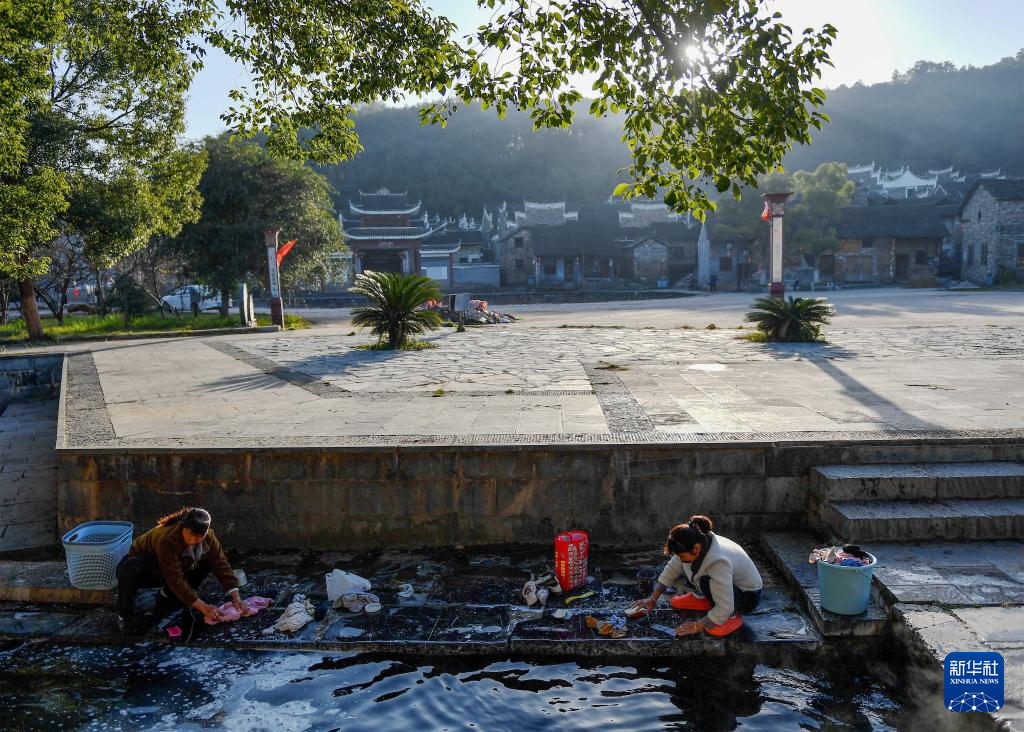
The photo, taken on November 26, shows villagers washing clothes by the water in Banliang Village, Yongxing County, Chenzhou City. (Photo/ Zhao Zhongzhi, Xinhua)
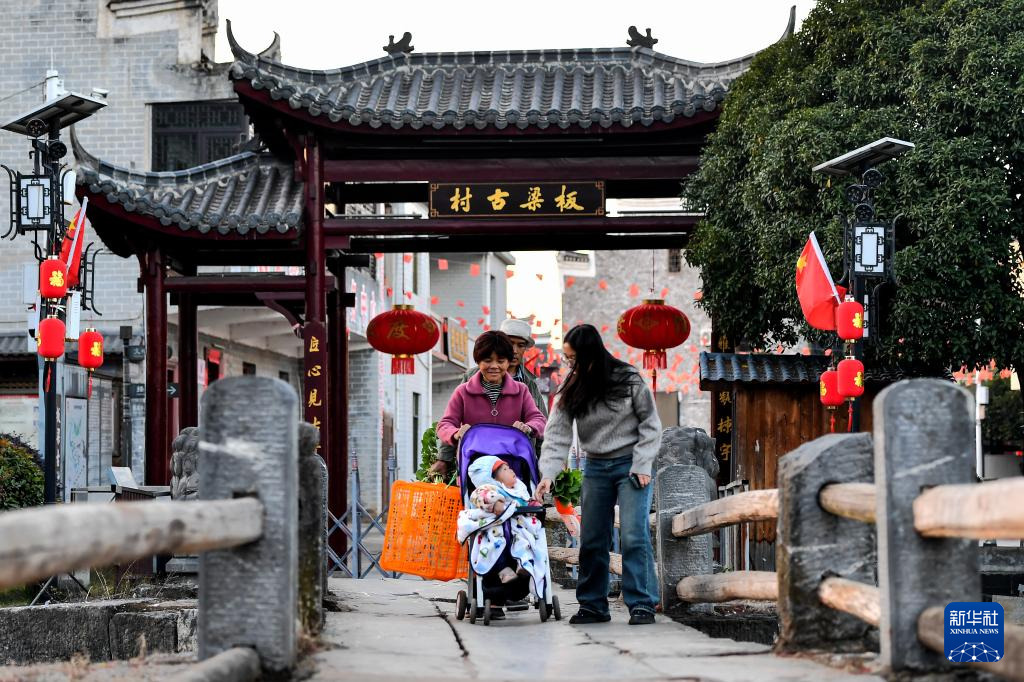
The photo, taken on November 26, shows a villager pushing a baby stroller across an ancient bridge in Banliang Village, Yongxing County, Chenzhou City. (Photo/Zhao Zhongzhi, Xinhua)
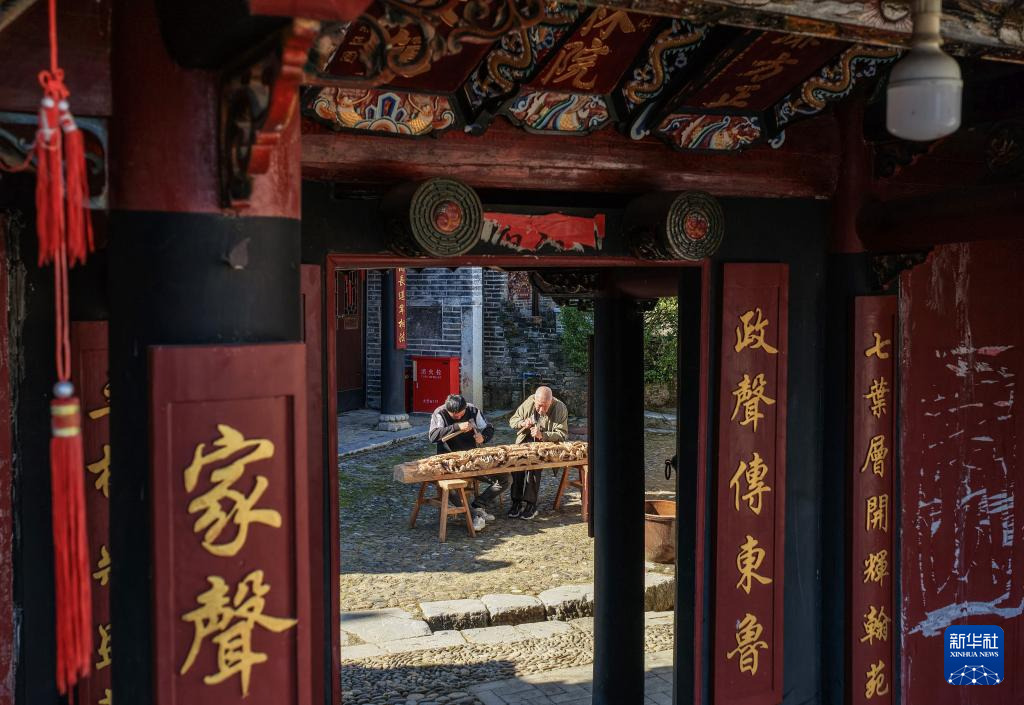
The photo, taken on November 24, shows Fu Dexiong (R), 80, and Fu Hang (L), 35, provincial-level representative inheritors of wood carving craftsmanship—a tradition passed down through two generations—carving wood inside the Ye Family Ancestral Hall (Dun Ben Tang) in Jinshan Village, Rucheng County, Chenzhou City. The Ye Family Ancestral Hall was designated as a national key cultural relics protection unit in 2013. (Photo/Liu Lianfen, Xinhua)
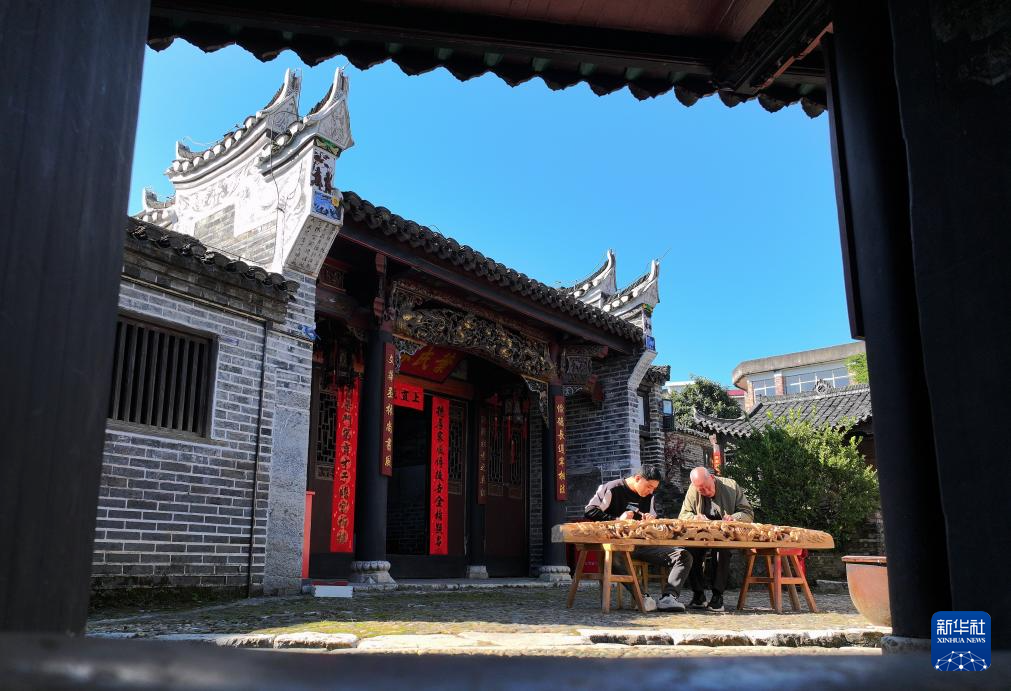
The photo, taken on November 24, shows Fu Dexiong (R), 80, and Fu Hang (L), 35, provincial-level representative inheritors of wood carving craftsmanship—a tradition passed down through two generations—carving wood inside the Ye Family Ancestral Hall (Dun Ben Tang) in Jinshan Village, Rucheng County, Chenzhou City. (Photo/Zhao Zhongzhi, Xinhua)
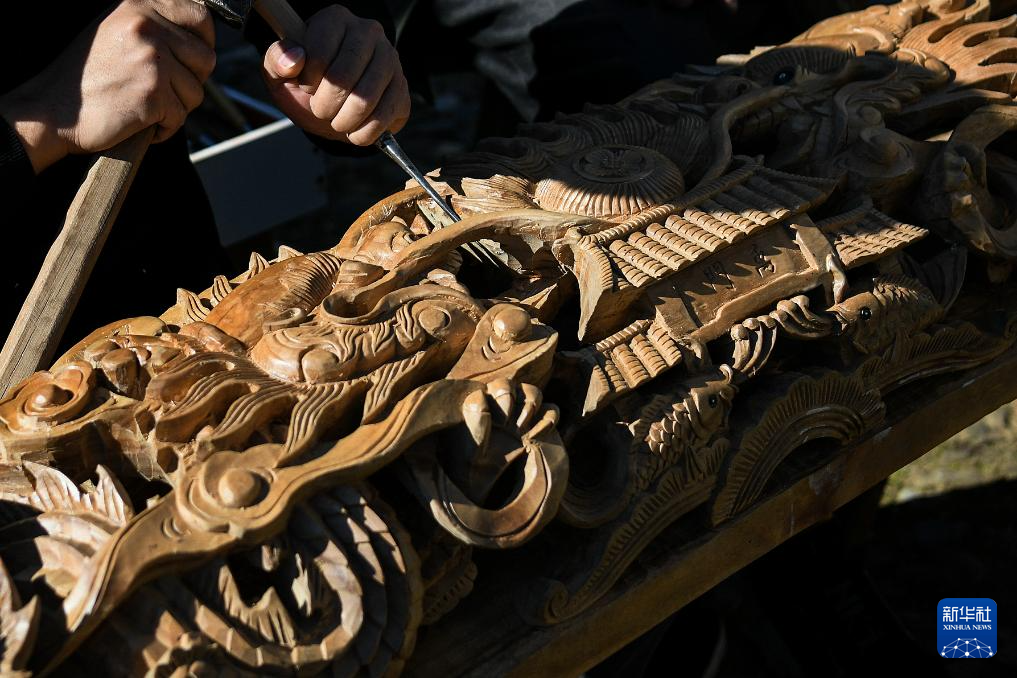
The photo, taken on November 24, shows a craftsman working on a wood carving work. Rucheng wood carving is a provincial-level intangible cultural heritage representative project in Hunan and an important part of traditional ancestral hall construction craftsmanship. Rucheng County in Chenzhou City is known as the "Land of Ancient Ancestral Halls," with more than 710 ancient ancestral halls of various styles preserved in the region. Wood carving plays a key role in the restoration and protection of these ancient buildings. (Photo/Zhao Zhongzhi, Xinhua)
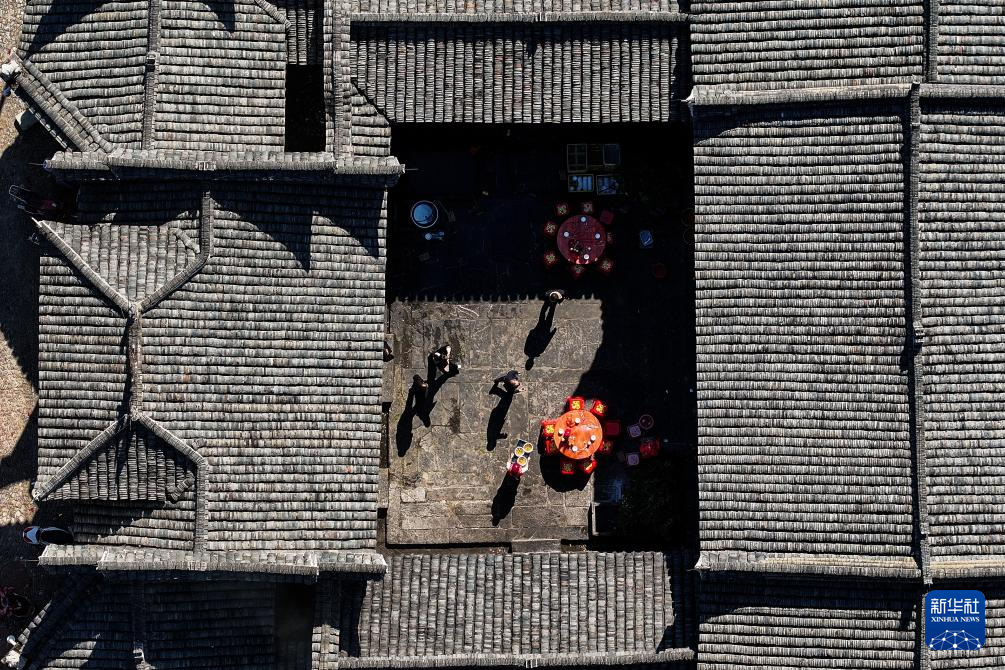
The aerial photo, taken on November 24, shows people inside an ancient ancestral hall in Jinshan Village, Rucheng County, Chenzhou City. (Photo/Zhao Zhongzhi, Xinhua)
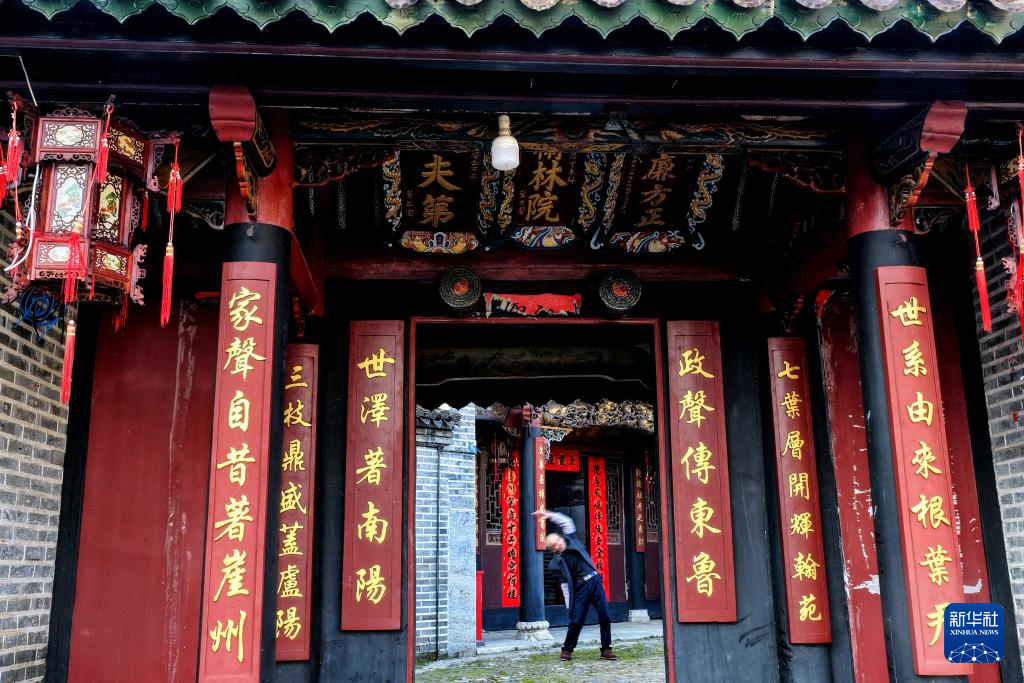
The photo, taken on November 24, shows an elderly person doing morning exercises inside the Ye Family Ancestral Hall (Dun Ben Tang) in Jinshan Village, Rucheng County, Chenzhou City. (Photo/Liu Lianfen, Xinhua)
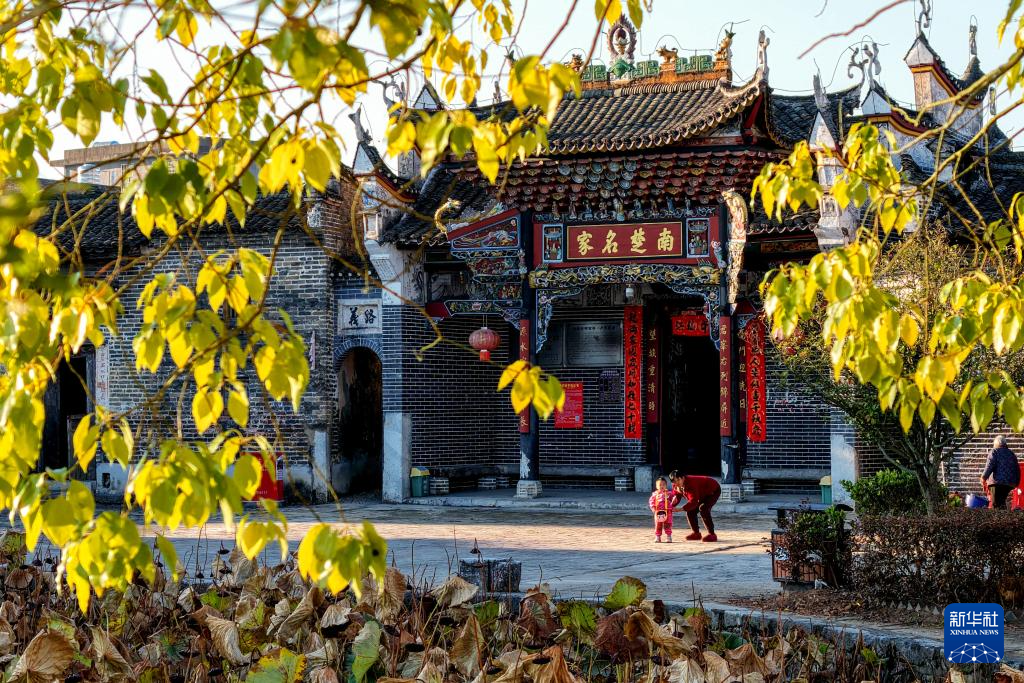
The photo, taken on November 24, villagers having fun in front of the Lu Family Ancestral Hall (Xu Lun Tang) in Jinshan Village, Rucheng County, Chenzhou City. The Lu Family Ancestral Hall was selected as a national key cultural relics protection unit in 2013. (Photo/Liu Lianfen, Xinhua)
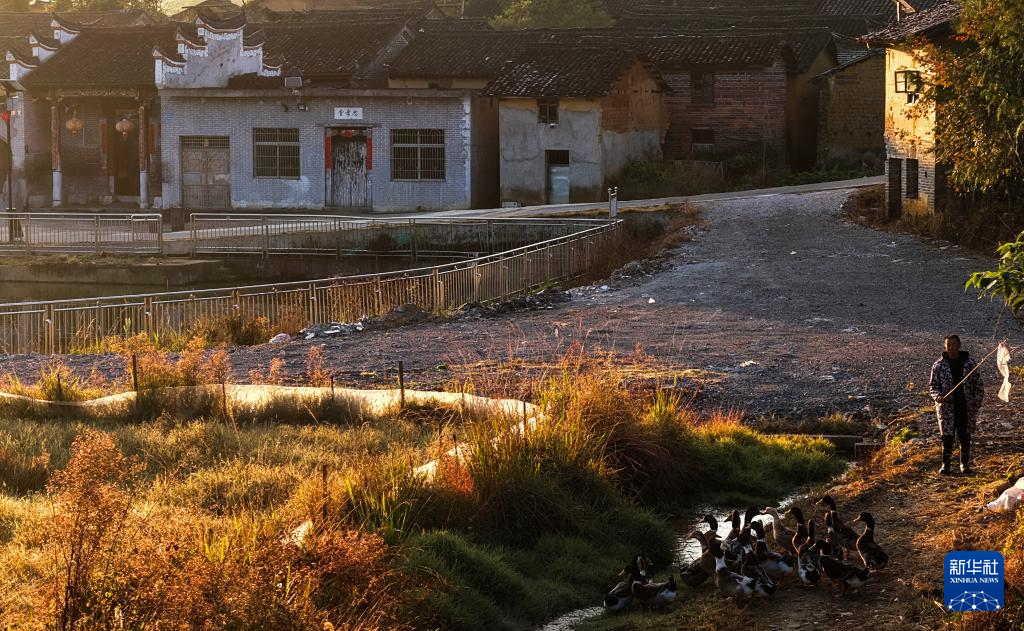
The photo, taken on November 24, shows a villager tending to ducks in Jinshan Village, Rucheng County, Chenzhou City. (Photo/Liu Lianfen, Xinhua)

The aerial drone photo, taken on November 24, shows villagers harvesting yellow gingers in a field in Jinshan Village, Rucheng County, Chenzhou City. (Photo/Zhao Zhongzhi, Xinhua)
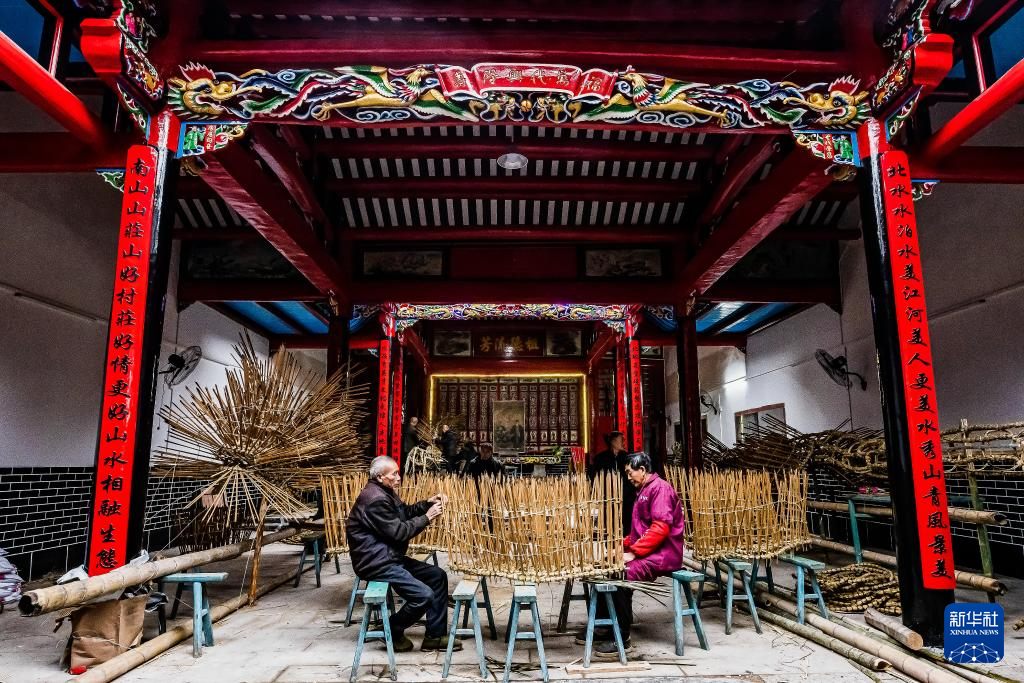
The file photo shows villagers making an incense dragon at the ancestral hall in Beishui Village, Nuanshui Town, Rucheng County, Chenzhou City. (Photo/Jiang Caicheng, Xinhua)
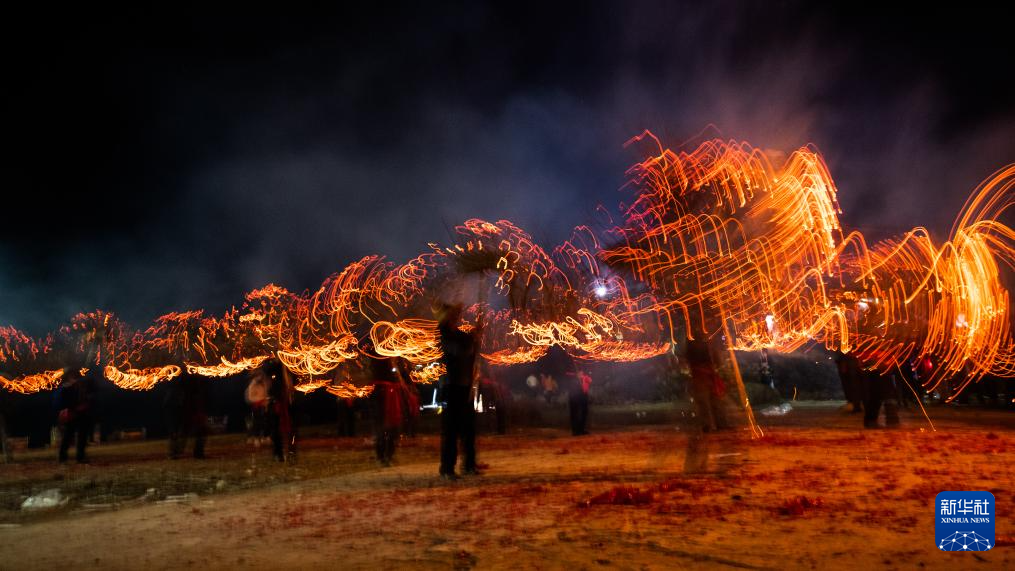
The file photo shows residents performing incense dragon dance in Rucheng County, Chenzhou City. (Photo/Zhou Xiuyuchun, Xinhua)
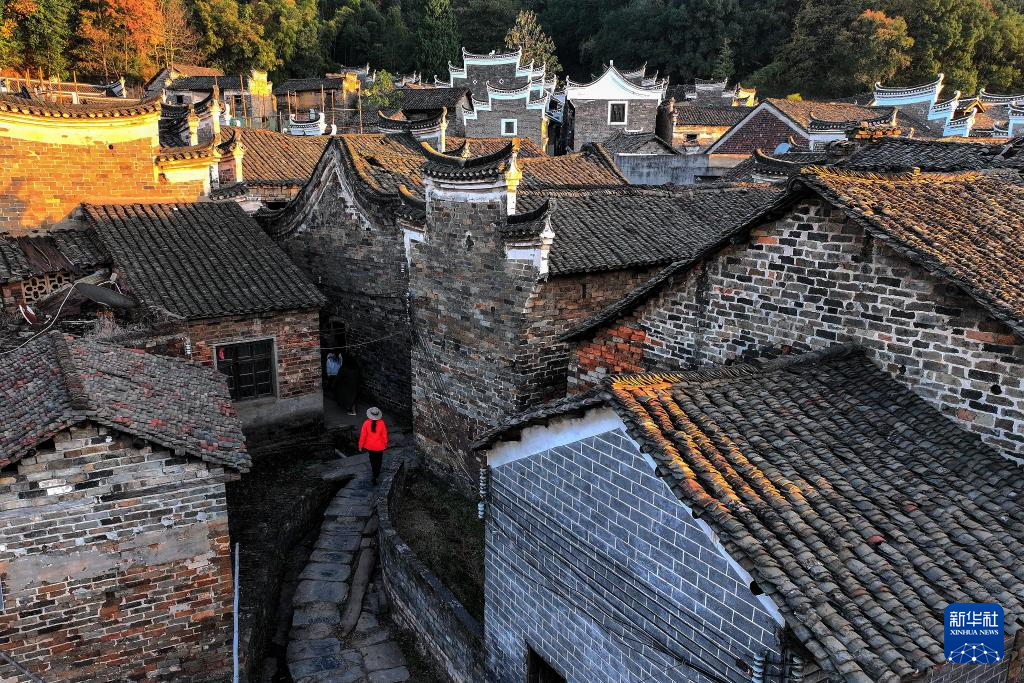
The aerial drone photo, taken on November 26, shows tourists visiting Banliang Ancient Village in Yongxing County, Chenzhou City. (Photo/Zhao Zhongzhi, Xinhua)
Chinese source: Xinhua

 Hunan PSB Cyber Security Filing: No. 43010302000524