

Hunan Facts
Home > About Hunan > Hunan Products
Zhangjiajie Vine Tea
Zhangjiajie vine tea is known as "divine vine" and "longevity vine" by Tujia people, with a history dating back to the Tang Dynasty (618–907). Despite its name as "tea," it is actually a vine plant. It is good for throat and liver health. A newly-brewed cup of tea looks clear and bright, with indigo tea leaves unfolding in hot water. The first sip carries a hint of astringency, soon followed by a sweet aftertaste.
On a leisurely weekend, you may stroll around the idyllic Longevity Vine Garden in Luotaping Township, handpicking fresh tea buds; or, experience intangible cultural heritage tea-making techniques at the Baima Mountain Vine Tea Park, immersing yourself in the sweet aftertaste of this vine tea.
Recommended tea plantations: Longevity Vine Garden in Luotaping Township, Yongding District.
Best harvest period: April – October (spring tea is the best).
Hands-on activities: Picking tea buds and experiencing traditional tea-making technique.
Nearby attractions: Tianmenjun Vine Tea Park on Baima Mountain and Zhumaxi Gorge.
Local delicacies: Tujia cured meat, He Zha (ground soybean porridge), and free-range chicken stewed with rock tripe.
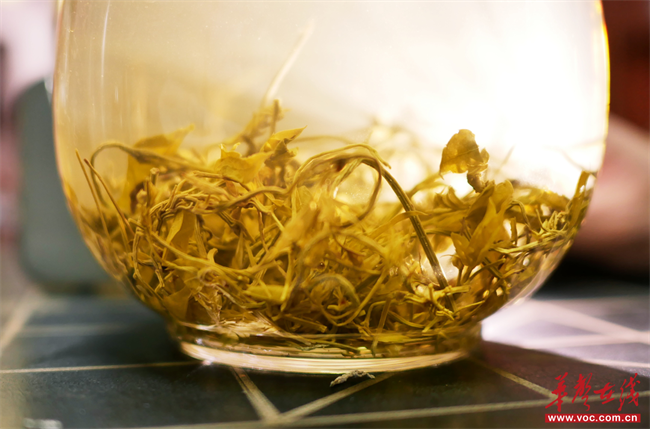
(Photo/Tong Di)
Chinese source: hunantoday