

Hunan Facts
Home > About Hunan > Hunan Products
Two Geographical Indications from Liling Make the National Top 100
A national geographical indication (GI) and county economy research institution recently completed and released the 2025 GI Economic and Social Comprehensive Value Index Research Report, unveiling the national list of top 100 GIs with economic and social comprehensive value. Among them, Liling ceramics and Liling fireworks ranked 4th and 61st respectively.
GI possess unique quality reputations and regional characteristics, and the GI industry boasts strong comparative advantages as well as the effect of strengthening counties and enriching people, serving as an important carrier for integrated development of "prospering industries, strengthening counties, and enriching people." The evaluation of the economic and social comprehensive value index of GI further explores the patterns of their comprehensive value, providing an objective and comparable reference coordinate for such assessments. This list was selected based on the "China GI Economic and Social Comprehensive Value Index," utilizing a GI database and public data, and evaluating from four dimensions: market value index, mark value index, industry value index, and regional value index.
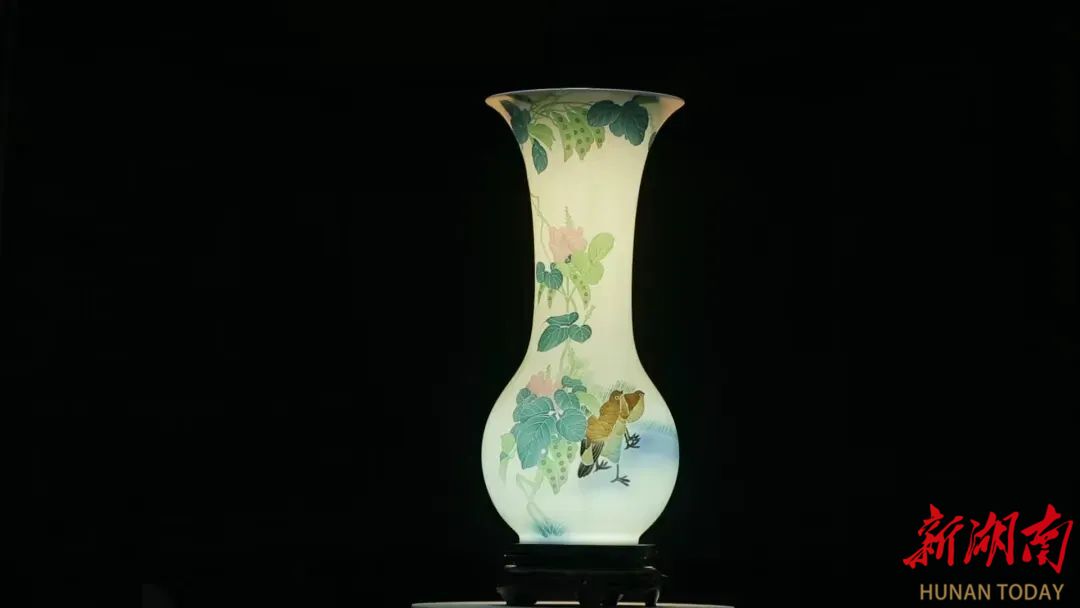
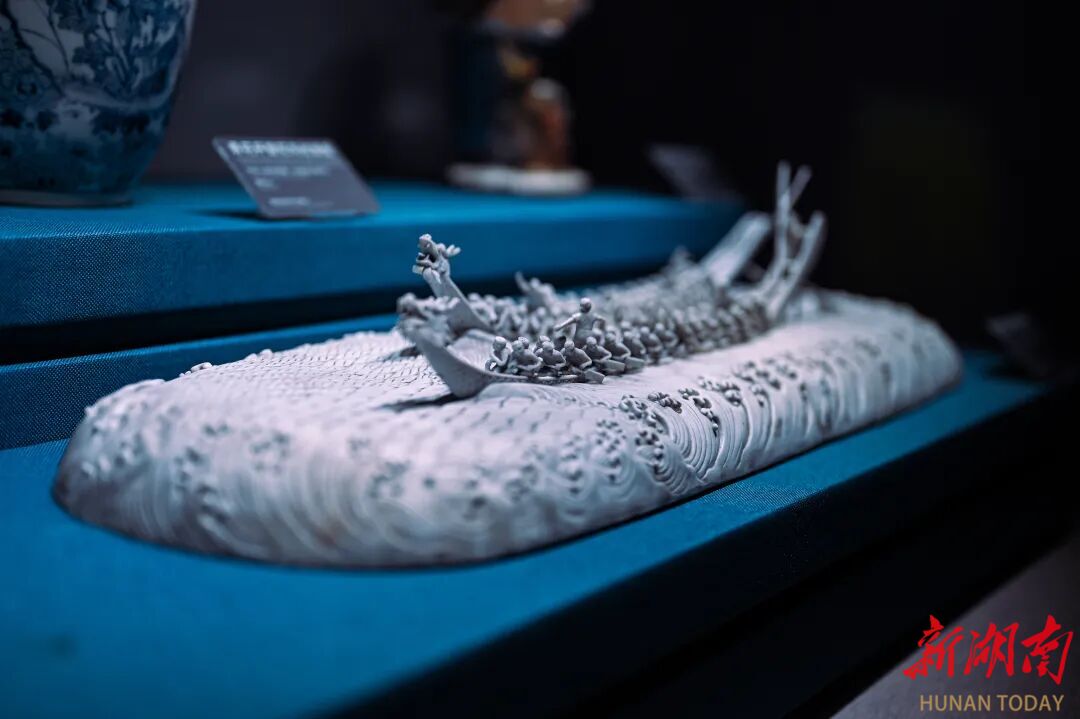
Liling ceramics can date back to the Han Dynasty, flourished in the Song Dynasty, and thrived in the Qing Dynasty. As the capital of Chinese ceramics, Liling is not only the birthplace of the world's under-glazed colored porcelain, but also the home of China’s "National Porcelain" and "Red Official Kiln." Nearly 2,000 years of ceramic production history have built a profound heritage. Today, the Liling ceramic industry cluster is the most comprehensive in China’s industrial system, with a cluster output value exceeding 80 billion CNY. The ceramic industry chain covers over 1,500 upstream and downstream enterprises, including 235 above-scale enterprises; product catalog features more than 4,000 varieties across three categories—industrial ceramics, household ceramics, and art ceramics. Among them, household ceramics are exported to over 150 countries and regions, ranking first in the nation in export volume. One out of every four porcelain cups worldwide is produced in Liling. Meanwhile, Liling’s electric ceramics also rank first in national exports, creating the reputation that "wherever there is a power grid, there is Liling ceramics."
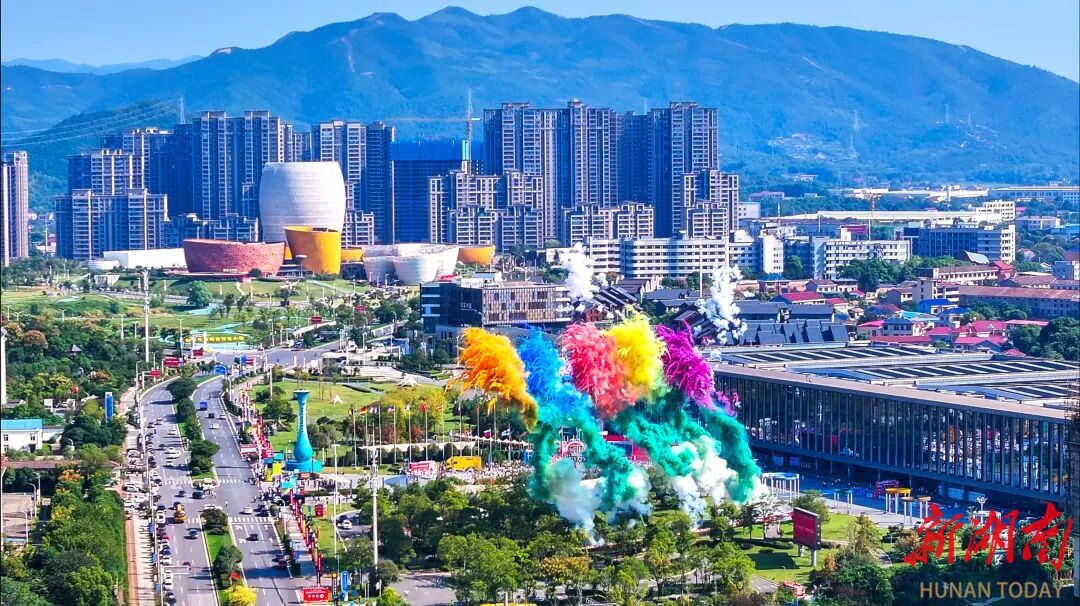
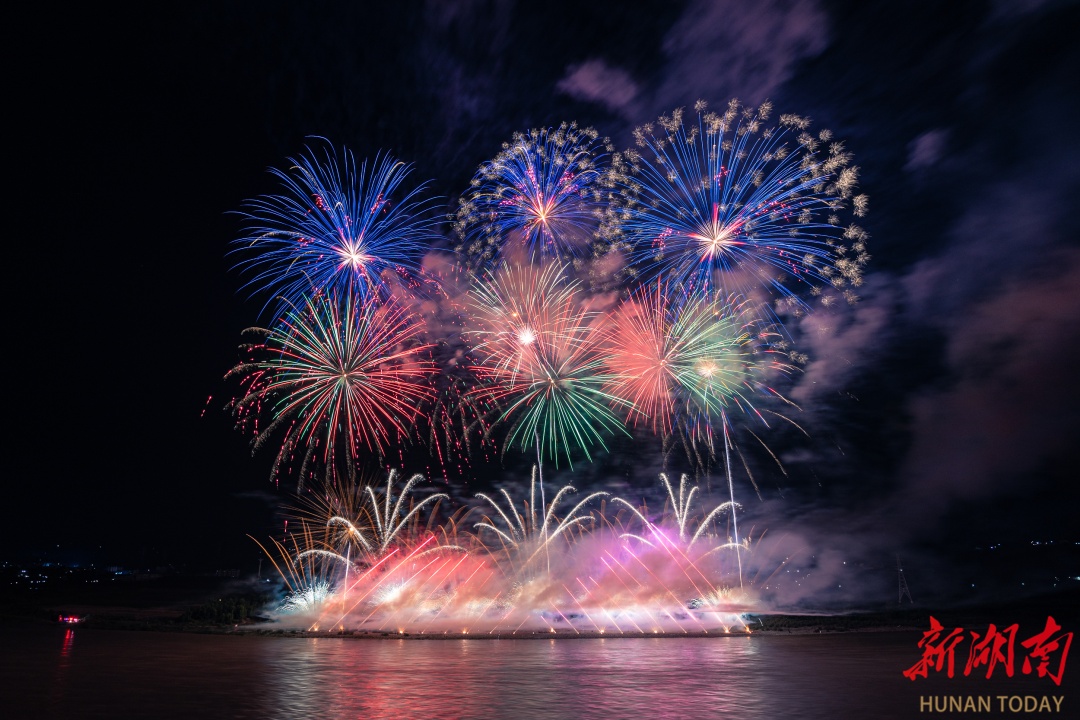
Liling fireworks, a flame that has burned for a thousand years. Over 1,400 years ago, Li Tian, a native of Mashi Village in Liling, invented firecrackers to ward off evil spirits and save villagers from a plague. The craft expanded from the Tang through the Song Dynasty and reached its peak during the Ming and Qing dynasties. Today, as one of China's four major firework production regions and the capital of Chinese fireworks, Liling has formed an industrial cluster integrating firework production, product research and development, exhibitions, trade, and logistics, with products spanning nine major categories and over 4,000 varieties, capturing roughly one-tenth of the global market share. Among them, firecrackers, firework combinations, firework fountains, and small display fireworks are particularly distinctive and significantly advantageous.
In recent years, Liling has leveraged international platforms such as the ceramic expo and fireworks expo to continuously enhance brand recognition. Focusing on "porcelain hunting and fireworks enjoyment," Liling has created new tourism scenarios, promoting deep integration featuring "ceramics + fireworks + cultural tourism." This has not only allowed regional brands like Liling ceramics and Liling fireworks to gain deep public recognition, but also activated the appeal of traditional industries to tourists while achieving a virtuous cycle where tourism traffic feeds back into high-quality industrial development. Today, the two traditional industries have become dazzling calling cards for Liling City.
Chinese source: Voice of Hunan