

Hunan Facts
Home > About Hunan > Hunan Products
Allium Chinense from Xiangyin: An Everyday Side Dish in Japan and South Korea
Japanese clients previously put up multiple layers of safeguards—doing their own repackaging, inspecting, and private-labeling of allium chinense (commonly known as rakkyo or Chinese onion) products imported from a Xiangyin-based company. Now, they simply import the goods, stock the shelves, and collect payment—along with a certificate of appreciation describing the products as "top-quality." The fact that Xiangyin allium chinense products are now on the shelves of overseas supermarkets essentially represents a vote of confidence from the world in China's farmlands and standards.

At 5:40 a.m., just as dawn was breaking, Wu Xiliang, chairman of Hunan Hairi Food Co., Ltd., left home on time. At 7:00 sharp, he changed into his work clothes and walked over to the production line. Freshly removed from the jar, the allium chinense was white, round, and shaped like chicken legs—a "chicken-leg allium chinense" unique to Xiangyin. He picked one up and put it in his mouth, and a crisp crunch burst between his teeth.
"If the taste doesn't meet standards, we can't accept this batch."
For the past 23 years since the factory was established, Wu Xiliang has personally tasted the first batch of allium chinense every morning. This almost "stubborn" habit has made Xiangyin allium chinense a bestseller in Japan and South Korea, securing the top spot in the global allium chinense export market.

One Allium Chinense Bulb: A Must-Have on Overseas Dining Tables
Xiangyin has cultivated allium chinense for more than 700 years. In the past, local people washed and air-dried allium chinense, and put them into jars to make pickles that whetted the appetite and aided digestion. The "snow-white" allium chinense products from the banks of the Xiangjiang River were transported by water to Wuhan and exchanged for local goods, which was the earliest form of "going overseas."
After the normalization of diplomatic relations between China and Japan, Santang allium chinense from Xiangyin became popular among customers due to its exceptional quality and embarked on the journey eastward as semi-finished goods. Since then, the "Santang Pickled Food Factory" was born.
It wasn't until 2003 that Wu Xiliang, who had returned from studying in Japan, identified a deeper business opportunity: the allium chinense planting area in Japan and South Korea kept shrinking, yet consumption habits remained deeply rooted. He decisively built a factory and shifted his focus to producing finished allium chinense products, directly targeting overseas end markets. In the first year, only 60 tonnes were exported.
Wu Xiliang said, "Overseas markets are almost excessively strict about food safety, and it is common for products to be returned because of foreign matter or excessive microorganisms. Exporting finished products is far more complicated than one might imagine."
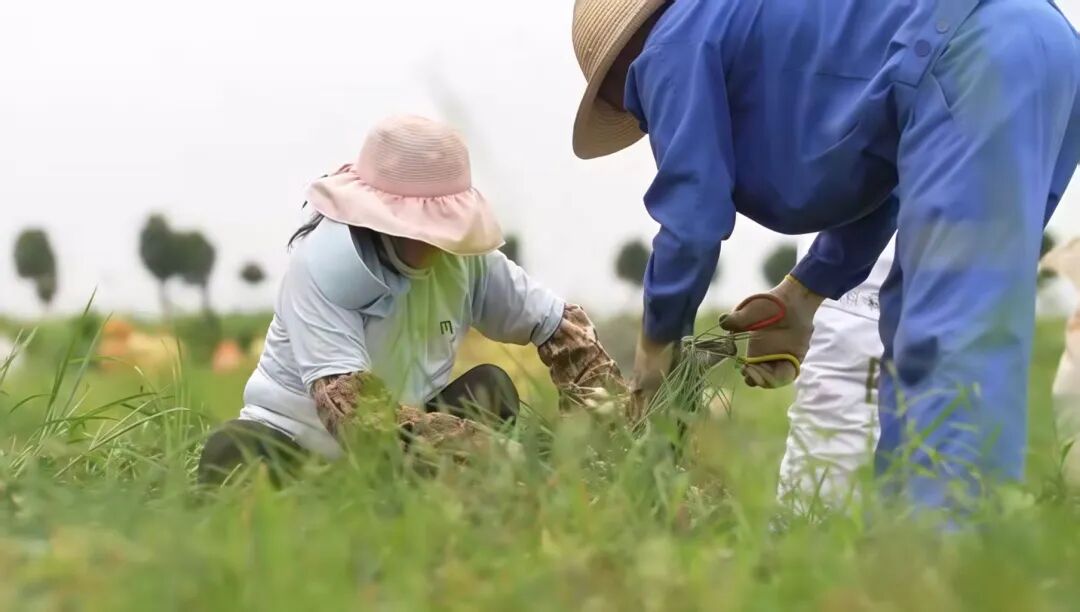
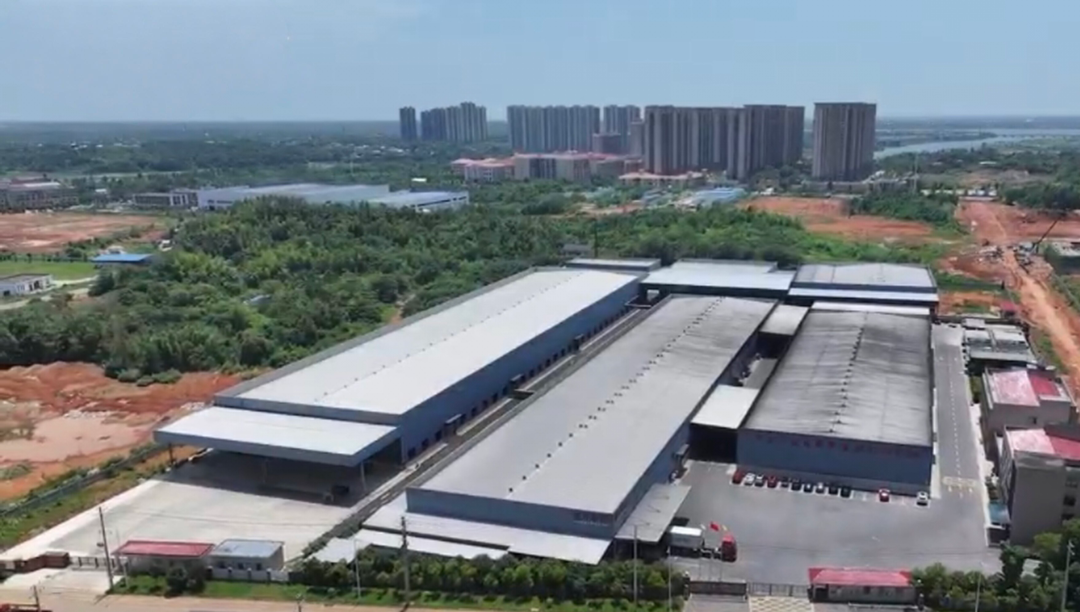
But the tougher things get, the more important it is to take control of the situation. In 2019, Hairi moved from its old factory to a modern new one, investing over 100 million CNY in automation upgrades to replace labor-intensive methods with standardized production lines. Wu Xiliang was pleasantly surprised to find that the new factory not only doubled its daily output of allium chinense but also significantly reduced the defect rates.
"A leading Japanese retail group that has been partnering with us for over 10 years initially imported Hairi's allium chinense and shipped it back to Japan, where they did their own repackaging, inspection, and private-labeling—implementing 'multiple layers of safeguards' from production to quality control. Now they simply take delivery, stock the shelves, and collect payment—they can confidently sit back and let us handle everything," Wu Xiliang said.
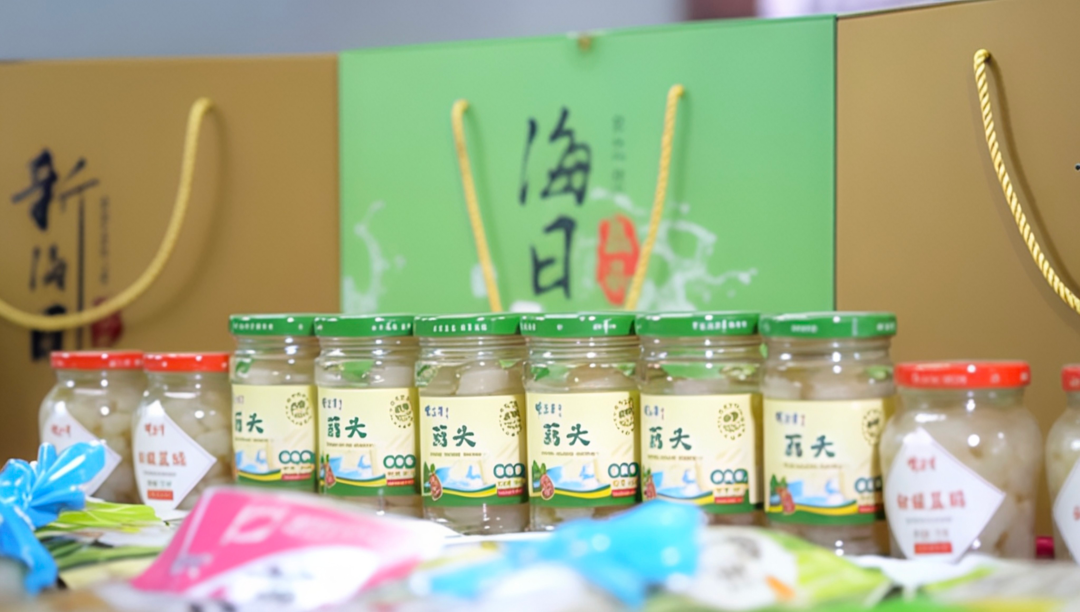
Meanwhile, this trust has transcended mountains and seas, becoming a part of daily life for countless consumers overseas. In Seoul's barbecue restaurants, as pork belly sizzles, a plate of pickled allium chinense is always on hand to cut through the richness; in Singapore's supermarkets and on Malaysia's dining tables, this crisp, refreshing flavor from Xiangyin is a familiar presence.
The export volume of Hairi's finished allium chinense products has reached 16,000 tonnes, more than 260 times that of its first year.
The company's full-year revenue in 2026 is expected to reach 145 million CNY. Departing from Xiangyin, Yueyang allium chinense products have made their way onto dining tables around the world.
Benchmarking Against International Standards to Achieve Top-notch Quality
Hairi's strength lies not in winning orders with low prices, but in its quality.
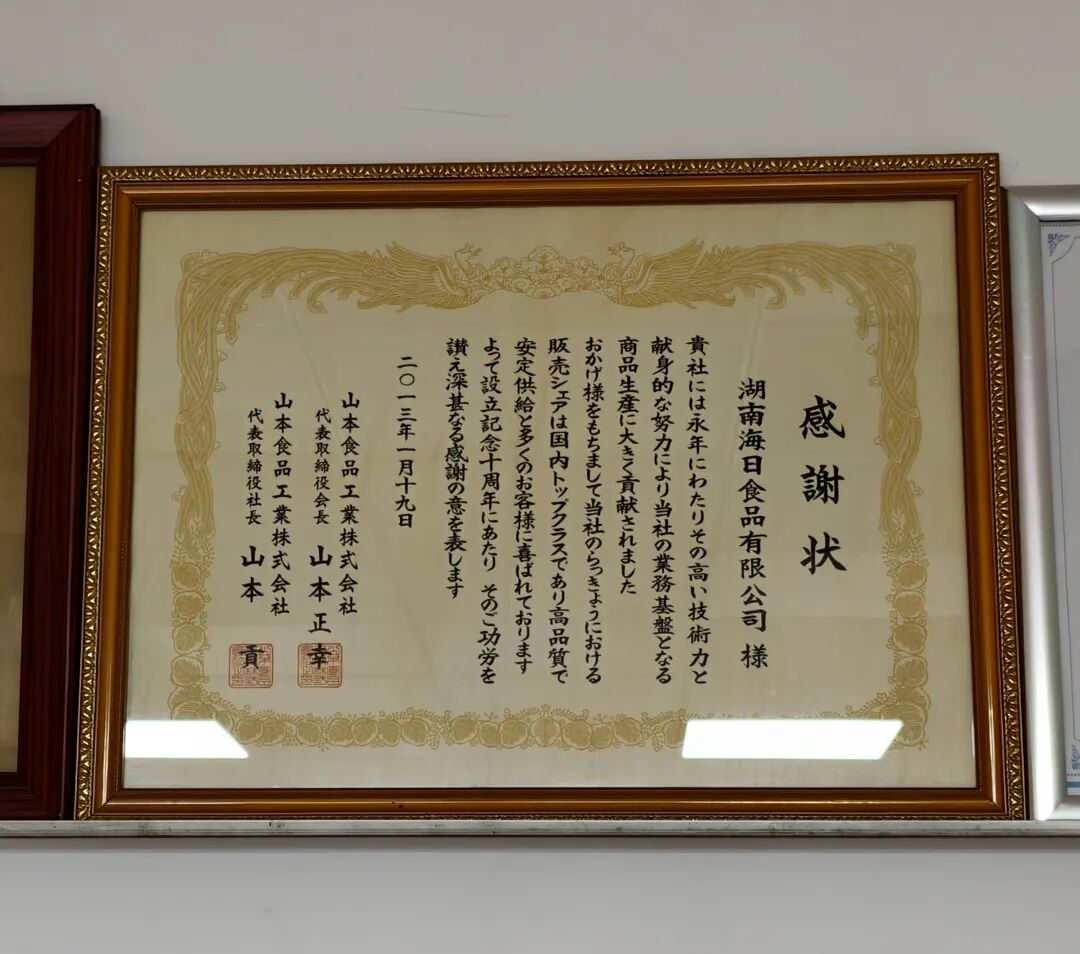
In 2014, Japan's Yamamoto Foods Co., Ltd. sent a letter of appreciation. It was jointly written by the president and the chairman.
"For many years, your company has made great contributions to strengthening the foundation of our business through exceptional technical expertise and hard work. Your products have become our top-tier commodity and are loved by many customers." ——A letter of appreciation from Yamamoto Foods Co., Ltd.
This recognition comes from Hairi's proactive alignment with international standards. The company independently established a granular traceability system based on 500-kilogram batches, allowing each bag of allium chinense to be traced back to its specific planting plot and the exact harvest date. Each year, Hairi's partner randomly selects auditors from a global pool of experts, who make special trips to Xiangyin to conduct item-by-item inspections from the production to finished products. One expert remarked at the site, "This level of transparency is rarely seen even in factories in Japan."
Meanwhile, Hairi regularly undergoes COC social responsibility audits by international buyers—aspects such as employee treatment, working environment, and social insurance payments are evaluated item by item. "Only when employees feel secure can the team be effective and quality be maintained," said Wu Xiliang. In his view, this is not a burden, but a safeguard.
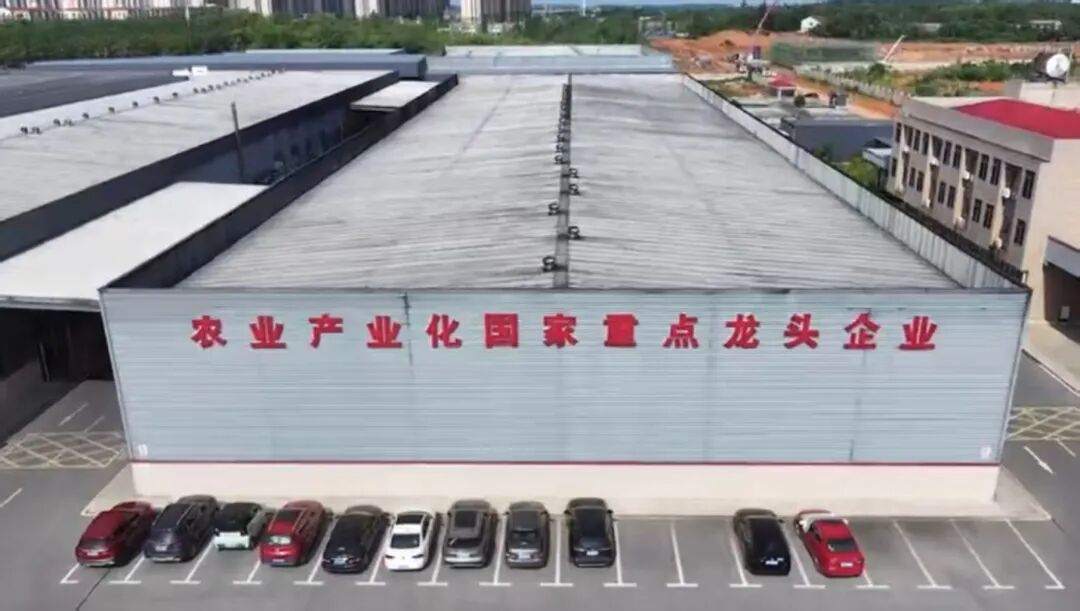
In recent years, the company has tapped into the technical expertise of academicians from universities, integrating modern biotechnology into traditional pickling processes to launch a series of probiotic-fermented pickled vegetables. This also means that Hairi's export product lineup has expanded to include multiple categories, and the company is broadening its market reach.
A Single Order Boosts Hairi's Confidence in Going Global
"Without a stable supply of raw materials, even the best production line can't operate," said Wu.
In the early years, local supplies in Xiangyin were insufficient, and procurement costs from other regions skyrocketed, causing export prices to fluctuate wildly—a situation that nearly cost the company its long-term clients. Since the growing cycle for allium chinense is about nine months—a lengthy period—farmers were constantly worried that "no one would want their crop once it was ready."
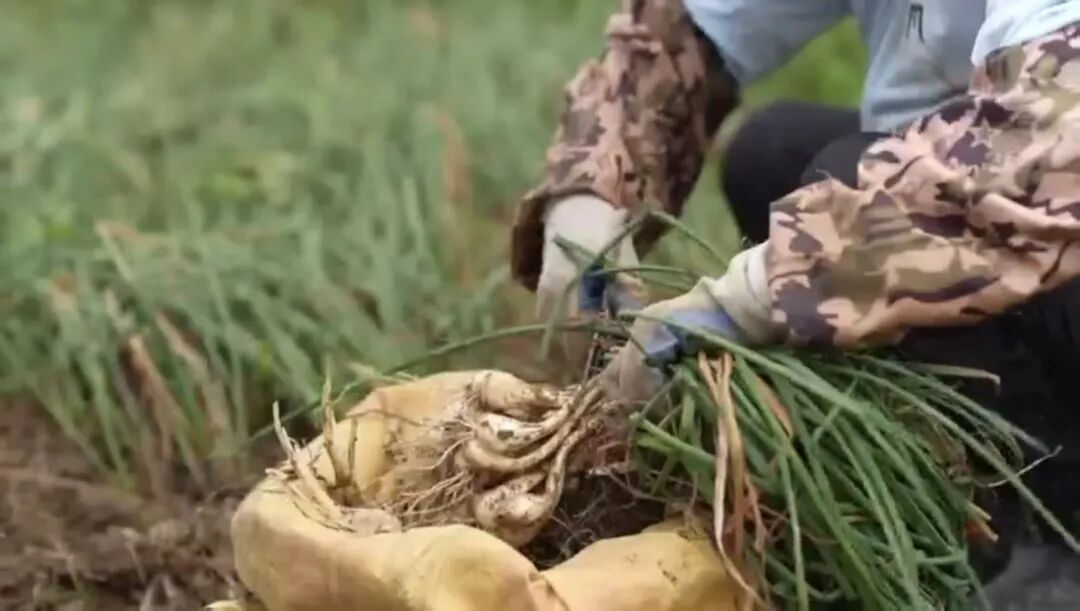
Faced with this dilemma, Hairi's solution was to implement "contract farming." The company signed minimum-purchase contracts with farmers, guaranteeing to buy their entire harvest—whether they produce one tonne or five tonnes per mu (about 0.067 hectares). Regardless of whether the harvest is bountiful or meager, farmers now have no worries about finding buyers, as the company guarantees to purchase the entire crop.
"The cost of growing allium chinense per mu is about 3,000 CNY, with a yield of about 2.5 tonnes, a guaranteed income of around 7,000 CNY, and a net profit of nearly 4,000 CNY. Last year, some farmers achieved yields exceeding five tonnes per mu, with a net income of over 10,000 CNY per mu," explained Wu Xiliang.
The CPC Committee of Xiangyin County and the Xiangyin County People's Government took the initiative to address challenges such as fallow land and continuous-cropping obstacles. The Xiangyin County Bureau of Agriculture and Rural Affairs assigned dedicated officials to coordinate directly with enterprises, while relevant departments worked together to promote the "allium chinense–mid-season rice rotation" model. Under this model, after the allium chinense are harvested, a batch of mid-season rice is planted; once the mid-season rice is harvested in late October, allium chinense are planted again. This ensures that the land remains in continuous use throughout the year, allowing for year-round cultivation, and yields actually increase rather than decrease.
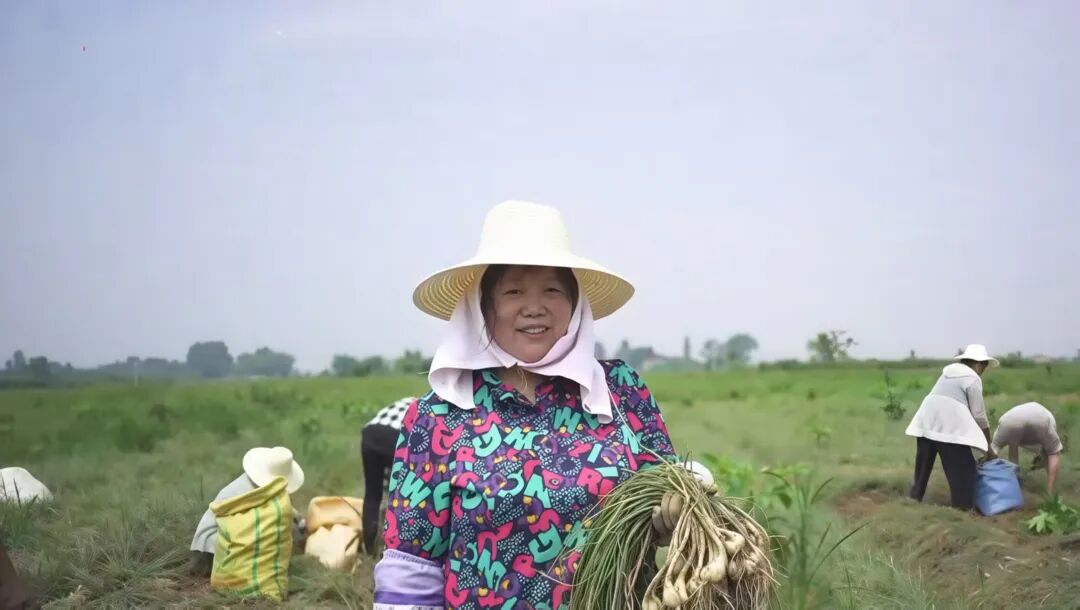
So far, the allium chinense planting area in Xiangyin and its surrounding areas has remained stable at more than 10,000 mu (about 666.7 hectares), benefiting more than 3,000 farming households. More than a dozen preliminary processing plants have provided nearby employment for nearly 1,000 farmers.
The export of a single allium chinense bulb is an "export of trust"—a vote of confidence from the world in China's farmlands and standards.
This article is from Hunan Provincial Government. www.enghunan.gov.cn.
Translator: Xiao Juan
Chinese source: hunantoday